
Picking a paint finish sounds simple until you are actually trying to decide. Then you notice everything. In New York City, that matters a lot. A Manhattan living room with big windows can make any finish to pop put. A Brooklyn hallway with softer light can make the same finish feel way more muted.
Wall condition plays a role too. Fresh drywall is one thing. Older plaster with patches is another. If you think about those pieces first, the choice gets easier.
Paint finishes sit on a range from soft to shiny. Some finishes are chosen because they hide glare and feel calm. Others are picked because they wipe clean and hold up better. And yes, the color can shift a bit too. The same white can look warmer or sharper just because the finish changed.
What Is A Paint Finish?
A paint finish, also called sheen, is how much light the surface reflects once the paint dries. Low sheen paint spreads light out, so walls look softer. Higher sheen paint reflects light more directly, so the surface looks brighter and more defined.
Sheen also affects durability. In general, shinier finishes feel smoother, and they tend to handle scrubbing better. That is why it helps to choose your sheen before you lock in a final color. The light hits the paint differently, and you want to see that before you commit.
Also, a quick reality check. A finish that looks perfect in one room can look strange in another. Same color, same paint brand, totally different result. Most of the time, it is the light and the way the room gets used.
Common Types Of Paint Finishes
Here are the common options you will see on labels:
- Flat or matte: Very low sheen. Light reflection is minimal, so walls look soft and calm. It can hide small flaws well, but it is not the easiest to clean.
- Eggshell: Low sheen with a gentle glow. You notice it most when light hits at an angle. It is a little easier to wipe than flat.
- Satin: Mid level sheen. It reflects more light, so corners and trim lines can look more crisp. Satin often comes up when people compare eggshell vs satin because they can look close in some rooms.
- Semi gloss: More shine and a cleaner look. It is common on trim, doors, and areas that need more wiping.
- Gloss: Very shiny. It can look almost glassy on a well prepped surface. It highlights detail, but it also shows flaws fast.
Factors That Influence Paint Finish Selection
The choice is not just about what you like. It is the room pushes you in the right direction. If you look at how the space works day to day, choosing paint sheen will usually feel a lot more straightforward.
- Room function and traffic level: Busy spaces get touched a lot. These include hallways, doors, and switch areas. Marks show up faster there, so a tougher finish often makes sense.
- Moisture and humidity exposure: Bathrooms and kitchens deal with steam, splashes, and damp air. NYC weather swings do not help. A finish that cleans easily is a safer bet in these rooms.
- Light in the room: Strong daylight can make sheen stand out. Indoor lighting can do the same, especially if the bulbs are close to the walls. More light usually means sheen shows more.
- Wall condition and flaws: The shinier the finish, the more it can highlight bumps, patches, and uneven spots. If your walls are not perfect, low sheen can be more forgiving.
- The look you want: Low sheen feels quiet and relaxed. Higher sheen can feel crisp and polished. Neither is right or wrong. It depends on the vibe you are after.
Paint Finishes By Room Type
Most rooms follow the same patterns. Still, NYC homes are not all the same. A prewar co-op and a new condo can behave very differently.
With over 100 years of combined experience, the Mint Painting team sees the same room needs across Manhattan, Queens, Brooklyn, Long Island, and Westchester. These pairings come up a lot for a reason. For a quick look at the range of painting and renovation services that often connect to finish decisions, it helps to scan what is typically included in a full project.
Living Room Paint Finish
Living rooms usually have mixed light. Daylight from windows, then warmer light at night. Flat, matte, and eggshell are common here because they keep glare down on big wall areas. If you have wide windows, low sheen can stop the walls from looking shiny as the sun shifts.
Kitchen Paint Finish
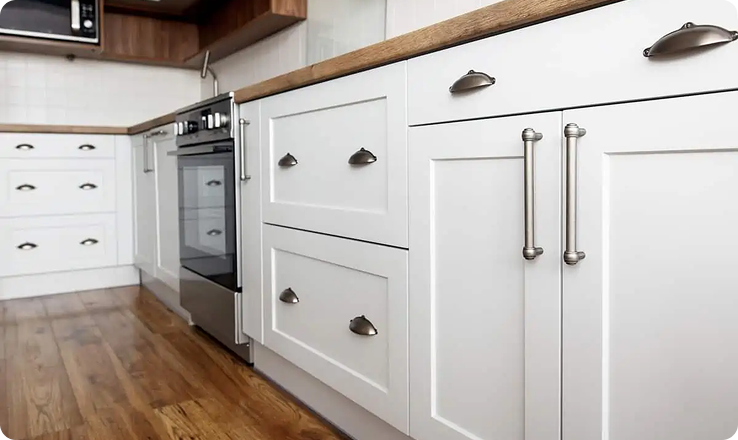
Kitchens get messy. Splashes, grease, fingerprints, and a lot of wiping. Satin and semi gloss are common because they clean up better and hold up under regular use. In small NYC kitchens, a bit of shine can also make cabinets and trim feel more defined.
Bathroom Paint Finish
Bathrooms deal with steam and quick temperature changes, especially in winter. Satin and semi gloss are often used because they handle moisture better and are easier to clean. Just know this; if the vanity lights are bright, sheen will be more noticeable.
Bedroom Paint Finish
Bedrooms are usually low traffic. They also tend to be drier rooms. Flat, matte, and eggshell work well because they keep things soft and calm. If you have warm lamps at night, low sheen can also make the color feel richer.
Hallway And High Traffic Areas Paint Finish
Hallways and entries take a beating. Satin and semi gloss are common here because cleanup is easier. In narrow NYC hallways, angled light can make scuffs show more, so prep work matters.
Sheen Level And Surface Imperfections
Sheen changes what you notice first. Higher sheen reflects more light, so it can call attention to patches, roller marks, and uneven plaster. That is why a wall can look smooth in one light, then look textured later in the day.
Lower sheen finishes scatter light instead, so they hide small flaws better. On older NYC walls, that can make the whole room feel more even.
Ready To Get The Finish Right?
If you are feeling stuck, that is normal. This decision has a few moving parts. Light, wall condition, moisture, and daily wear. Style matters too, and it can change how a finish feels in a room.
If you want an easier way to decide, Mint Painting offers guidance, daily communication, and a 1 year craftsmanship guarantee. You can request a consultation and estimate or learn more about our team on the About Us page.