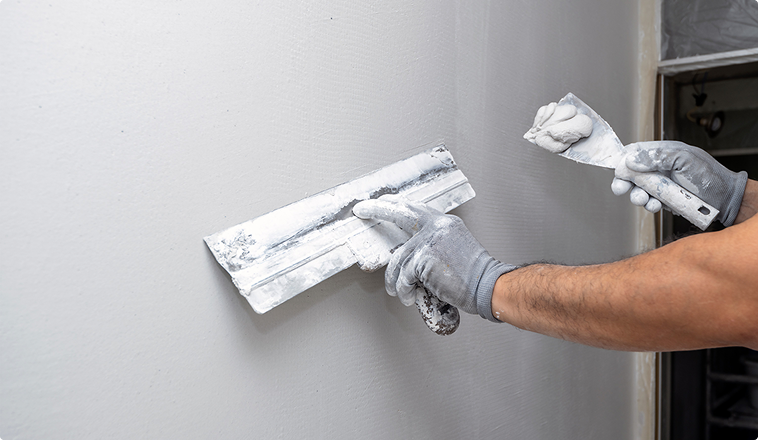
A beautiful finish should do more than look good; it should help a home stay protected, clean, and valuable year after year. That’s why paint maintenance matters so much in New York City homes, where sun, humidity, grime, and winter weather all take turns testing every surface.
A little upkeep today can prevent peeling, staining, and expensive prep work later. Even better, it keeps living spaces feeling crisp and “well cared for,” which buyers notice fast. This guide walks through practical steps for home paint protection, with the same detail-first mindset Mint Paint & Floor brings to every white-glove project.
Why Ongoing Care Pays Off
Paint is both style and shield. When it’s clean, sealed, and monitored, it helps reduce moisture intrusion and surface breakdown. Many homeowners are surprised to learn that a quality exterior finish often lasts around 7–10 years on average, and maintenance is one of the factors that can help it reach its full lifespan instead of failing early. A proactive approach also supports resale confidence because curb appeal signals overall care. Exterior painting can add measurable value. Some market guides estimate exterior painting may add about 2–5% to a home’s value. Mint Paint & Floor’s team sees it constantly: small, steady upkeep prevents the “big fix” moment when paint problems spread.
A Fast Monthly Walk-Through That Catches Problems Early
A quick scan is often the difference between a tiny touch-up and a full rework. Set aside 10 minutes, put on good lighting, and treat it like a mini home checkup. High-touch spots and water-prone areas reveal issues first, especially in busy Manhattan households. This is also where paint maintenance starts to feel easy, because it becomes routine, not a project. Use this simple walkthrough as a baseline, then adjust for your home’s layout and lifestyle.
- Check baseboards, door casings, and corners for scuffs or chips. Small breaks can spread with repeated cleaning.
- Look for hairline cracks around trim joints and windows; movement there often signals a need for caulk before moisture sneaks in.
- Scan ceilings and upper walls for faint yellow/brown rings that can hint at slow leaks.
- Feel for “tacky” patches in bathrooms or kitchens; trapped humidity can soften paint films over time.
- Inspect cabinets near sinks and trash pull-outs where drips and splashes are common.
A Seasonal Checklist For Stronger, Longer-Lasting Finishes
Seasonal habits keep paint from aging faster than it should. In NYC, spring grime, summer sun, fall wind-blown debris, and winter moisture all create different stress points. This is where planning helps, because each season has a “best next move.” Homeowners who schedule these steps tend to avoid surprise peeling and the domino effect of repairs. It also supports long term paint care because the finish stays cleaner, drier, and better bonded to the surface. Here’s a simple season-by-season approach:
- Spring: Wash exterior surfaces to remove dirt and mildew so buildup doesn’t weaken adhesion; pressure-washing is often used, followed by at least 24–48 hours of dry time before painting work.
- Summer: Watch sun-heavy sides for fading; UV exposure is a common culprit, and some guidance recommends UV-resistant products and smart color choices for high-sun homes.
- Fall: Clear gutters and downspouts so water doesn’t sheet down siding and trim, creating stains and rot risks.
- Winter: Check for condensation trouble indoors, especially near windows; moisture control reduces mold risk and paint stress.
- Year-round: Use safer cleaning methods for siding. Improper pressure washing can strip paint and force water into walls, which can lead to mold growth.
Interior Paint Habits That Keep Rooms Looking “Just Done”
Indoor paint takes a different kind of wear: fingerprints, furniture rubs, cooking residue, and everyday life. Gentle cleaning is the quiet hero here, because harsh scrubbing can dull sheen and burnish flat finishes. A simple approach works best. Warm water, mild soap, and non-abrasive tools are commonly recommended for cleaning painted walls without damaging the finish.
Kitchens and hallways benefit from more frequent wipe-downs because oils and grime build up faster there. Bathrooms deserve special attention too, since humidity can feed mold if airflow is poor; moisture control is a core prevention step. Mint Paint & Floor often guides clients toward finishes and care routines that match the room. The “right paint” is only half the win if the cleaning method is wrong.
Exterior Care In NYC Weather Without Creating Damage
When people hear “protect the exterior,” they often jump straight to power washing at full blast. But surfaces have limits, and the wrong approach can do more harm than good. Who wants to trade dirt for stripped paint or water behind siding? Some guidance warns that improper pressure washing can strip paint, damage materials, and cause water infiltration that may lead to mold. Experts recommend a gentler “soft-wash” approach for many homes.
In addition to cleaning, watch for failing caulk lines and small gaps around trim; sealing these early helps prevent water entry that can cause bubbling later. A well-maintained exterior also makes future exterior painting smoother, because the surface prep stays simpler and less labor-heavy. This is where Mint Paint & Floor detail-focus shines: small repairs, smart wash methods, and realistic timelines keep the home protected without shortcuts.
Lead-Safe Rules And Why Contractor Choice Matters
Many NYC buildings and townhomes were built before 1978, which raises an important safety issue: lead-based paint risk. Renovation, repair, or painting work that disturbs painted surfaces in pre-1978 homes can create dangerous lead dust, and EPA rules require lead-safe certified contractors for covered work. That matters most when surfaces are scraped, sanded, or demolished, exactly the steps people take during renovations and repainting cycles.
EPA also outlines lead-safe work practices and planning steps for these projects. The practical takeaway is simple: when a home is older, safety isn’t optional; it’s part of quality. Mint Paint & Floor renovation-style services pair well with this mindset because the work is approached like craftsmanship plus care, not “quick paint and go.”
Touch-Up, Refresh, Or Full Repaint
So how does a homeowner know when upkeep is enough and when it’s time to repaint? The easiest rule: if paint is only scuffed or lightly chipped in small areas, touch-ups often work. If paint is cracking, bubbling, peeling, or fading widely, a broader refresh is usually smarter. Common repaint “warning signs” include peeling and cracking, and overall lifespan varies by climate, prep, and materials.
Exterior paint can also last anywhere from roughly 3 to 20 years depending on siding material and conditions, which explains why two neighboring homes can age so differently. When homeowners stay consistent with paint maintenance, they typically push repainting farther into the future because small problems don’t spread. And when the time does come, the prep is less intense, which often means a smoother process and better final finish.
A White-Glove Plan That Protects Your Investment
Paint should never feel like a “set it and forget it” part of the home, especially in a city where daily life is fast and surfaces take a beating. A simple routine, a seasonal checklist, and smart cleaning methods go a long way toward keeping spaces bright and protected. Keeping moisture under control reduces mold risk, and gentle cleaning preserves the finish instead of grinding it down.
When bigger updates are needed, ROI can be real. Exterior painting is often discussed as a curb-appeal upgrade that can support value. Want a plan that fits your building, materials, and schedule, and still feels stress-free? Mint Paint & Floor can handle inspections, touch-ups, specialty finishes, and full repainting with daily communication, realistic timelines, and a 1-year craftsmanship guarantee. Contact Mint Paint & Floor to schedule a consultation and keep your home looking expertly cared for, year after year.