In Manhattan, the cost to paint a house usually lands somewhere between $2,000 and $6,000 for interior work and $3,000 to $8,000 for exterior work.
Final pricing comes down to size, finish choice, labor, and wall condition. The cost of painting a house can move once access, repairs, and material quality enter the picture.
“The national average cost to paint a home’s interior is definitively between $2,000 and $6,000. However, homeowners in premium, dense real estate markets like Manhattan must anticipate costs leaning heavily to the upper tier due to severe logistics, strict building access limits, and required insurance minimums.”
At A Glance
- The average home painting cost typically ranges from $2,000 to $6,000 for interiors and $3,000 to $8,000 for exteriors.
- Home size is the single biggest factor behind total house painting costs.
- Exterior projects cost more because of prep work, weather exposure, and equipment needs.
- Paint quality and finish selection can shift the total painting cost by hundreds of dollars.
- Labor accounts for roughly 70% to 85% of professional labor costs.
(Averages vary sharply depending on molding and co-op building restrictions)
Average House Painting Costs By Size
A smaller apartment or townhouse usually sits near the low end, while larger homes climb quickly because more square footage means more time and more detail. For an average interior painting project, a 1,000-square-foot space may run from $2,000 to $6,000, while 1,500 square feet often lands around $3,000 to $7,500.
For a 2,000-square-foot home, the interior painting cost often falls between $4,000 and $10,000 depending on trim, ceilings, and prep. A 2,500-plus-square-foot entire house usually sits higher because crews spend more time on access, masking, and cleanup.
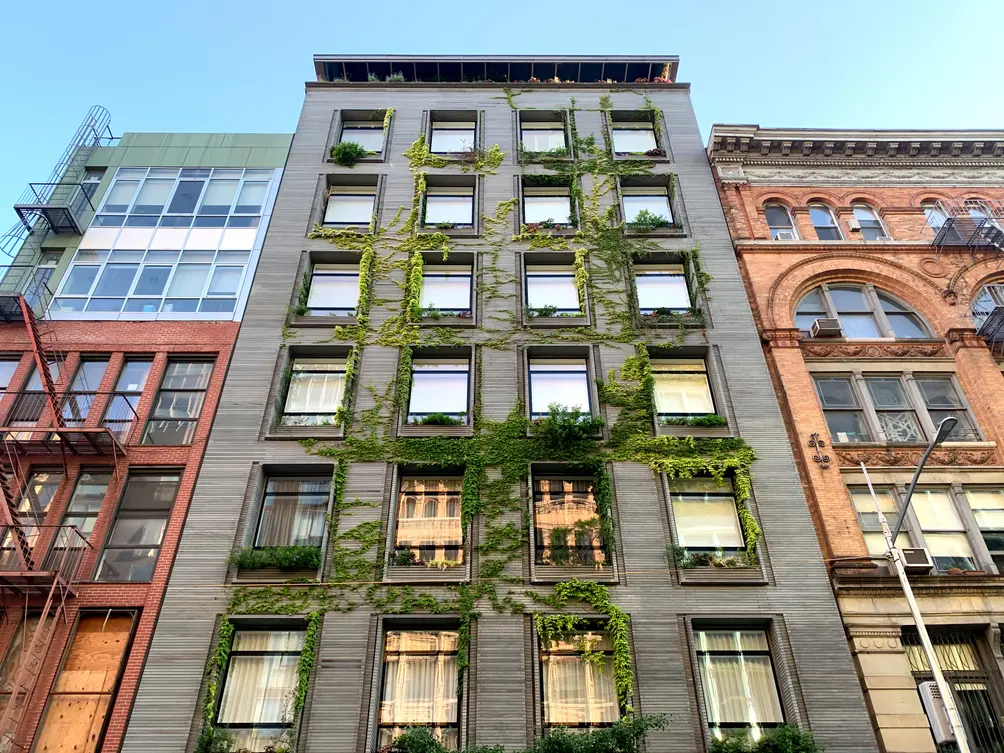
In Manhattan, Brooklyn, Queens, and nearby Long Island neighborhoods, stairs, parking, and building access can slow a crew down. On larger jobs, the cost to paint is often shaped as much by logistics as by product choice.
Key Factors That Affect Pricing
No two projects land at the same number, which is why good estimates start with the rooms, finishes, and condition of the property. Several key factors shape the price, and each one can pull the total in a different direction.
- Surface Condition: Damaged, peeling, or water-stained walls require intense manual remediation.
- Building Logistics: Elevator times, restrictive co-op rules, and parking fees drive up total labor hours.
- Paint Quality: Top-tier acrylic enamels cost over $80/gallon.
(Factors that separate a quick refresh from a premium renovation)
- Home size affects how much paint and labor the professional painter needs, so a larger home naturally raises the total.
- Paint quality matters because premium specialty paints cost more per gallon and can change the finish you end up with.
- Surface condition changes the quote because surface repair, sanding, patching, and sealing add time before the first coat goes on.
- The number of coats matters because how many coats are needed can change product use and labor on older surfaces.
- Local labor costs and the level of detail in the job influence the price, especially with trim packages, ceilings, or additional services.
On real Manhattan projects, the biggest surprises usually come from old damage hiding under a clean-looking wall. If the room needs repair work, the final number shifts before the first gallon is opened.
Fresh color choices also matter. A job that needs new paint over dark walls or stained surfaces may take longer than a straightforward repaint.
Interior Vs. Exterior House Painting Costs
Interior painting and exterior work differ in scope, access, and finish requirements, so the price ranges are not the same. The home’s interior usually gives the crew a controlled environment, while the outside demands more protection and more setup.
Interior Painting Costs
Most interior projects fall between $2 and $6 per square foot, though detail and access can push the total higher. A small room may stay near the low end, while a larger apartment can climb quickly once multiple rooms are included.
An interior of a house often needs careful masking, moving furniture, and a smooth finish on interior walls and trim. When you compare estimates, the quote should show whether ceilings, closets, or accent walls are part of the scope.
Many projects include touch ups, patching nail holes, caulking gaps, and protecting floors. If the job involves oil based products, a major color change, or a second pass for coverage, the price can rise a bit.
Exterior Painting Costs
Exterior work usually costs more because the crew has to deal with washing, scraping, weather exposure, and more ladders or staging. An exterior painting project can range from about $1,800 to $4,500 on many homes.
Interior Work Demands
- Extensive furniture, floor, and fixture masking
- Navigating tight corners and staircases
- Low-VOC paints for safe indoor air quality
Exterior Work Demands
- Scaffolding, lifts, and multi-story safety gear
- Weather-dependent application windows
- Heavy power washing and lead-safe scraping
(Why exterior scopes typically out-fund interior rooms)
The outside of a home also has more variables. Siding, brick, stucco, porches, shutters, and other surfaces all affect the amount of time and product needed. In neighborhoods like Astoria and Sunnyside, older façades and mixed materials can make the estimate feel more layered.
High-rises, townhouses, and multi-story walkups may require high-ceiling access, specialized equipment, and extra planning. That is why preparation requirements matter so much on exterior jobs.
When Both Are Done Together
When interior and exterior work are bundled, the crew may be able to coordinate setup, delivery, and scheduling more efficiently. For a combined painting project, the estimate often includes different phases, from exterior washing to painting the interior. A full-home refresh can also involve more coats and more time for the crew to keep the finish consistent.
Room-by-Room Painting Costs
A lot of people budget room by room, especially when the work will happen in stages. That approach makes the numbers easier to follow and gives you a clearer look at the average price for each part of the space.
| Room Type | Estimated Range | Labor Factors |
|---|---|---|
| Standard Bedroom | $300 – $800 | Simple layout, easy to mask off quickly |
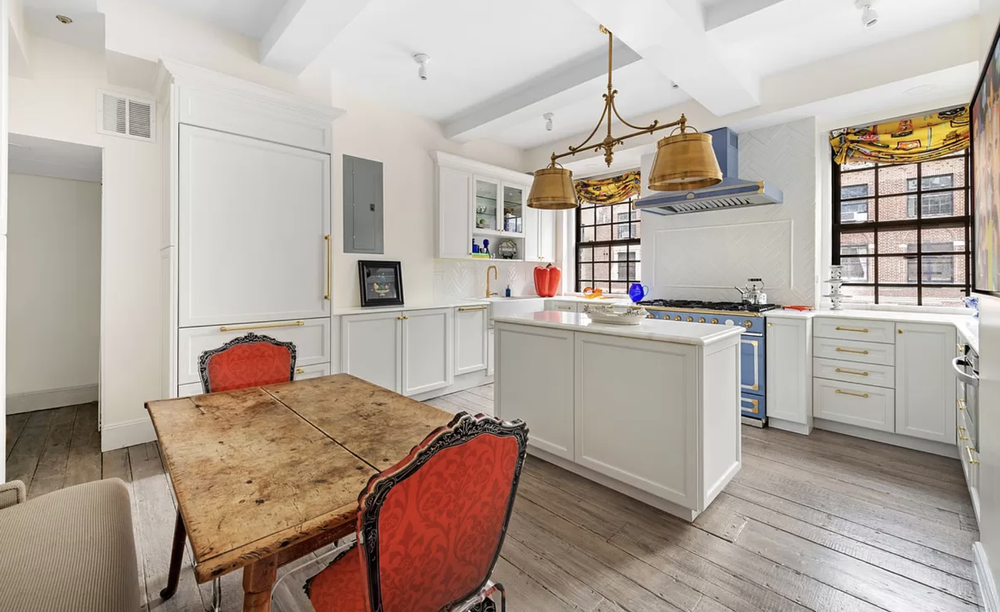
| Kitchen | $400 – $1,200 | Extensive edging around complex cabinetry & appliances |
| Living Room | $500 – $1,500 | Expanded wall footprints, built-in shelving, vaulted ceilings |
| Stairwell/Hallway | $400 – $1,200 | Requires articulating ladders and difficult access points |
(Variables strictly depend on existing room damage and ceiling heights)
- Bedrooms usually run from $300 to $800 because the layout is simple, though larger rooms or rooms with built-in details can cost more.
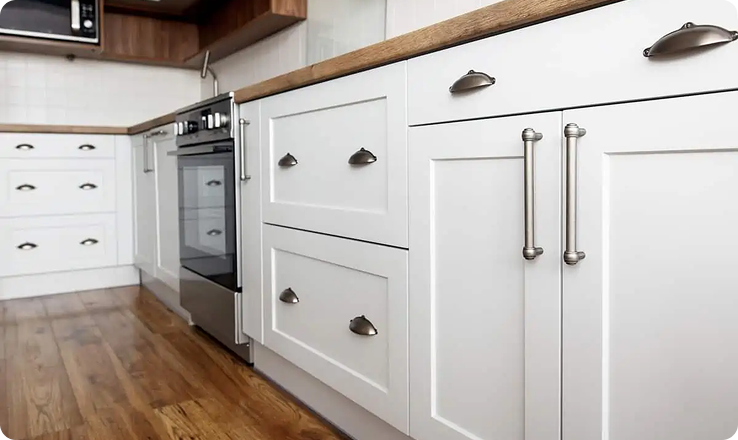
- Kitchens often range from $400 to $1,200 because cabinets, appliances, and careful masking make the job more involved.
- Bathrooms usually sit around $250 to $700, but moisture, tight corners, and trim can change the final price.
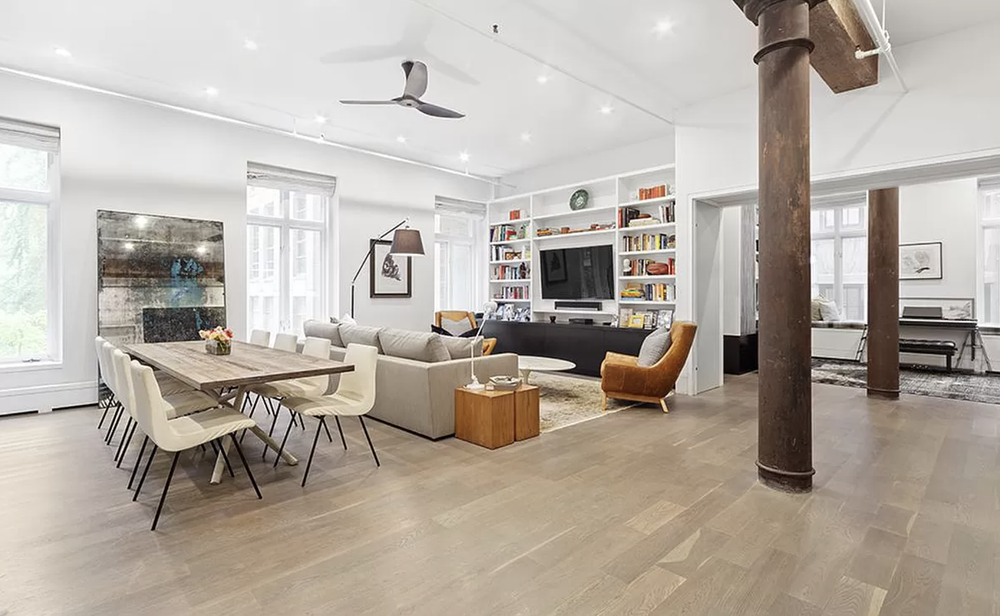
- Living rooms often fall between $500 and $1,500 because they usually cover more walls, more trim, and more visible detail.
- Hallways and stairways can range from $400 to $1,200 since they often need ladders, careful masking, and more time around high-traffic areas.
They also show why a paint job can feel modest in one room and noticeably higher in another.
What Professional House Painting Estimates Include
A clear estimate makes it easier to compare value instead of staring at one number and hoping it means the same thing everywhere. Getting multiple quotes helps you compare the range without guessing. A reputable painter should give you a written estimate that shows scope, products, and pricing up front.
Labor And Crew Costs
The biggest share of the bill usually comes from labor. In most cases, labor costs cover the crew’s time, setup, protection, cleanup, and the skill needed to keep edges sharp and coverage even.
Projects that need more hands, more coordination, or more time on site tend to cost more. If your painting project includes multiple rooms, detailed trim, or a full repaint, labor can become the deciding factor.
Paint And Material Costs
Paint, primer, tape, plastic, caulk, rollers, and drop cloths all fall into this category. Many professionals include material costs in the quote, but it is still smart to confirm what the price covers before work begins.
Standard wall paint costs less than specialty paints, and larger jobs often need more paint than people expect once ceilings, trim, and accent spaces are added.
Surface Prep And Repairs
This is the part that keeps the finish looking clean after the last coat dries. Surface washing, sanding, filling, and caulking all fall under prep work, and more serious damage can lead to additional repair work.
If the walls have peeling sections, stains, or rough patches, the interior of a house takes longer to finish and the cost rises with it. That is also where preparation requirements and old paint can quietly drive up the quote.
Why Location Changes Pricing
Regional labor rates matter, and so does the local climate. In the Northeast, pricing is often higher than in many Southeast markets because wages, overhead, and demand are all different.
Seasonal demand also plays a role. Spring and summer usually bring more requests, so average prices can lean upward when more crews are booked and schedules are tight. You may also find that timing alone can significantly impact the quote.
Local market conditions around Manhattan, New York City, and nearby areas influence what a painter can realistically charge. The same project may look different in Jericho, Great Neck, or Port Washington than it does in the city.
Know What Your Home’s Painting Project Is Worth
Understanding the cost to paint a house gives you a better read on value, timing, and scope. It also makes it easier to see whether a quote is realistic or missing part of the work.
Mint Paint & Floor is a trusted local resource for homeowners who want a careful process, clean communication, and a result that feels finished. Reach out for a personalized free estimate if you want a clear price for your Manhattan home or a nearby property in Brooklyn, Queens, or Long Island. When you compare professional house painting estimates, ask whether the quote includes a licensed and insured crew, a clear process, and any additional services that might be needed along the way.
If you are weighing a larger painting project, ask about experience, reviews, and whether the team explains the scope in writing. That is the kind of detail that keeps the work organized and the final result calm, polished, and easy to live with.