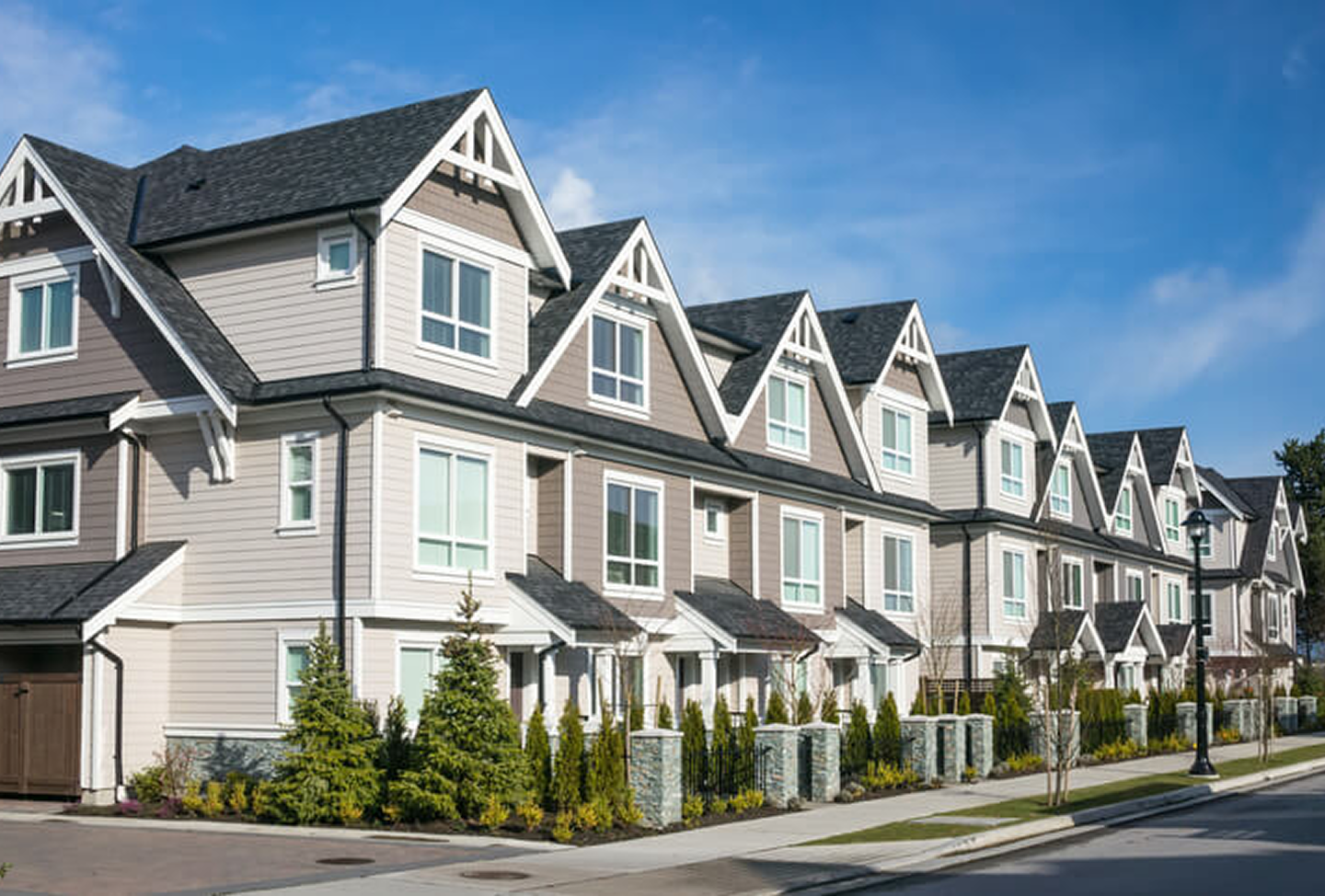
Yes, you can use interior paint outside. But it is not a smart long-term move, because interior paint is not made to handle rain, sun, and big temperature changes.
If you are in Manhattan, Brooklyn, Queens, or out on Long Island, the weather can switch fast. A sunny week turns into a wet stretch, then a cold snap. When that happens, interior paint starts to show stress in ways you can see and feel.
Interior Paint Vs. Exterior Paint: What Sets Them Apart?
At first glance, a can of paint is a can of paint. The label might even sound similar. The real difference is what the paint is built to survive. Interior paint is made for steady indoor conditions, easier washing, and a smooth look. It often focuses on scuff resistance, stain cleanup, and a finish that stays nice under indoor light.
Exterior paint is built for UV rays, moisture, and temperature swings. That matters in New York City, where summer sun hits hard and winter freeze and thaw cycles push surfaces to move.
Exterior paint usually has extra additives that help fight mildew and stay flexible. That flexibility helps the paint film move with wood and trim instead of cracking right away. The base resins are different because outdoor coatings need stronger grip and better weather resistance. Sheen and breathability are not the same indoors and outdoors either. Exterior coatings are often made to shed water while still letting trapped moisture escape, which helps prevent bubbling and peeling.
What Actually Happens When You Use Interior Paint Outside?
It might look fine for a short time, especially if the weather stays dry. Then reality sets in. Once sun, rain, and damp air show up, the coating starts to fail.
- Peeling and flaking due to moisture exposure. Rain, fog, and even morning dew can get under the paint. Interior paint is not made to handle that, so it begins lifting at edges and seams.
- Fading and chalking from UV rays. Sunlight breaks down the paint film. Color can look dull fast, and you may notice a dry, dusty feel on the surface.
- Cracking as temperatures fluctuate. Outdoor materials expand and shrink as the weather changes. Interior paint is less able to bend with that movement, so fine cracks can form and spread.
- Mold and mildew growth on the surface. Shady areas stay damp longer, especially near gutters, planters, and garden walls. Without the right mildew protection, stains can show up and keep coming back.
- Rapid wear and a much shorter lifespan. Once the paint starts to fail, it usually keeps failing. Water gets in, adhesion gets worse, and repairs become more time-consuming.
How Long Does Interior Paint Last Outside?
Most of the time, interior paint starts failing outdoors within weeks to a few months. A sheltered spot, like under a deep porch roof, can last longer. A front door, railing, or sunny trim line often shows damage much sooner.
Sun exposure speeds up fading and breakdown. Humidity and rain speed up peeling, especially when moisture sits on the surface or gets trapped underneath. In NYC, you also have salty air near waterfront areas, plus winter freeze and thaw cycles that stress paint even more.
With the right exterior system, you can expect years instead of months. That is why pros treat exterior paint vs interior as two separate tools, not interchangeable products. When exterior paint is paired with proper prep, it is designed to hold up through real seasons.
Surfaces Where The Damage Shows Up Fastest
Some surfaces make the problem obvious right away. They either hold moisture, heat up fast, or move a lot as conditions change.
Wood Siding
Interior paint often loses grip as wood swells with humidity and shrinks as it dries. You may see lifting along lap joints, bubbling near knots, and peeling around nail lines. Sun-facing walls fade faster, while shaded walls are more likely to grow mildew spots. In tough exposure areas, damage can show up within a month or two.
Concrete And Masonry
Masonry holds moisture, and interior paint can trap that moisture under the film. Blistering and flaking can appear after heavy rain, especially on stoops and low walls. In winter, trapped moisture can freeze and push paint off in patches. Chalking and peeling often show up fast on surfaces that stay shaded or get splashed.
Metal Surfaces
Metal heats up and cools down quickly, which stresses interior paint. Flaking often starts at corners, joints, and fasteners where water lingers. If the surface has any rust, it can bleed through and lift the coating. On railings and gates, problems can appear within weeks in wet weather.
Trim And Fascia Boards
These areas take constant sun, wind, and runoff from rooflines and gutters. Interior paint can crack at corners, then peel back in strips. You often see failure first under gutter edges and near downspouts. Because trim has lots of edges, moisture finds a way in faster.
Decks And Fences
Horizontal boards hold water, and foot traffic adds extra wear. Interior paint tends to peel around board gaps where water soaks in. Fading can happen quickly in direct sun, leaving a patchy, tired look. During rainy stretches, damage can show up in just a few weeks.
Does Paint Type Or Finish Make A Difference Outdoors?
Latex interior paint may seem like it holds up better at first because it can flex a bit more. Oil-based interior paint can look tough early on, but it often turns brittle outdoors and cracks as temperatures swing. Either way, the formula is still made for indoor life, not outdoor stress.
Finish plays a role, but it does not fix the main issue. A higher sheen like satin or semi-gloss can shed water better than flat paint and can be easier to wipe clean. Still, sheen does not add UV protection or the outdoor additives that prevent mildew and film breakdown.
As painting pros, we see homeowners trying to “upgrade” interior paint by choosing a shinier finish. It rarely works for long. The paint still lacks the outdoor resin and additives that make exterior coatings last.
Can A Primer Or Sealer Help Interior Paint Hold Up Outside?
A good primer or sealer can help paint stick better, especially on wood, masonry, or metal. It can also block stains and create a more even surface so the topcoat looks smoother at first. In some cases, it can slow down moisture problems for a short time.
But primer cannot turn interior paint into exterior paint. Sun and moisture still break down the interior topcoat. If you are asking whether to use interior paint outside and hoping primer will make it safe, think of it as a delay, not a solution. Our advice as industry experts would be to use the right exterior system from the start when the surface is exposed.
Ready To Get It Done Right The First Time?
When the wrong paint goes outside, you often end up doing the job twice. That is not the kind of project you want on your schedule, especially with NYC weather that can shift from humid to freezing in a single season.
Being in the industry for decades of combined hands-on work, we have learned that prep and product choice matter as much as color. Most homeowners tell us the biggest relief is knowing the plan is clear and the work is handled with respect for the space.
If you want exterior painting done with the right materials and the right process, reach out to Mint Paint & Floor for an estimate or consultation. You get added peace of mind with our craftsmanship guarantee and a team backed by over 100 years of combined experience.