Walk into a well designed Manhattan apartment and there is a good chance the walls feel different in a way that is hard to describe. They have depth, movement, and a softness that paint simply cannot create. That finish is often Venetian plaster. This decorative coating has been used for centuries and today it is one of the most requested premium wall finishes for residential interiors in New York City.
At Mint Paint & Floor, Venetian plaster is not a trend we dabble in. It is a craft we practice daily, with care, patience, and deep respect for materials. This guide breaks down what Venetian plaster is, what plaster is made of, the textures and finishes available, and why professional application matters so much.
What Is Venetian Plaster?
Venetian plaster, sometimes called Italian plaster or polished plaster, is a decorative coating applied to interior walls and ceilings in thin layers. Unlike paint, it is a true building material made from natural ingredients that harden through a chemical process.
Historically, Venetian plaster was used in Italian architecture as a way to imitate marble surfaces using marble dust and lime. You can still see early examples in historic buildings and even institutions like the Metropolitan Museum, where plaster walls and stucco finishes reflect centuries of craftsmanship.
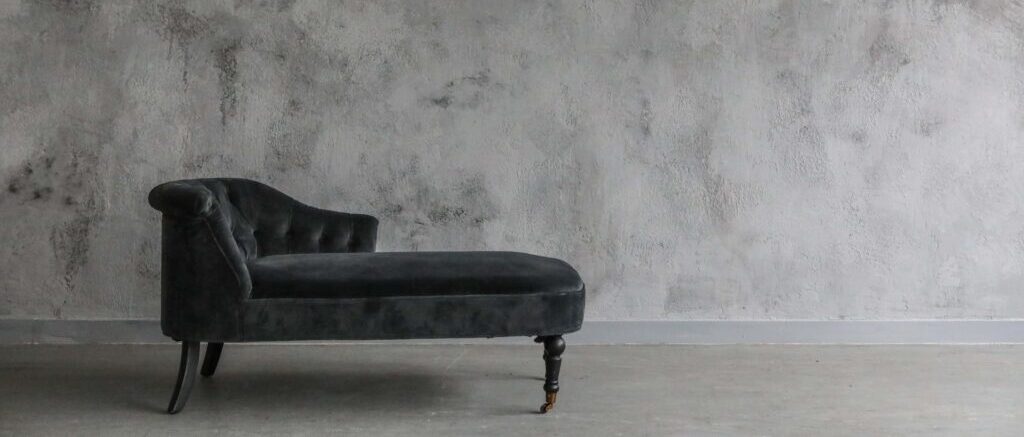
Today, Venetian plaster walls are valued for their smooth surface, subtle texture, and ability to interact beautifully with natural light. No two walls look exactly the same because they are finished by hand.
What Is Plaster Made Of?
Understanding what plaster is made of helps explain why Venetian plaster behaves so differently from paint or drywall finishes.
Traditional Venetian Plaster Materials
Classic Venetian plaster materials include:
- Lime putty made from limestone and calcium hydroxide
- Marble dust or marble plaster for texture and strength
- Natural pigments for color
- Mixed with water to create wet plaster for application
Lime plaster is based on lime that comes from limestone. When applied, it absorbs carbon dioxide from the air and hardens back into stone over time. This process gives Venetian plaster its durability and long lifespan.
Modern Plaster Variations
Not all plaster is the same. Common types include:
- Lime plaster, the traditional and most breathable option
- Gypsum plaster, made from calcium sulfate and often used for fast setting interiors
- Cement plaster, stronger but less flexible and less breathable
Gypsum based plasters and cement plaster are often manufactured for speed, while lime based Venetian plaster remains the gold standard for decorative finishes. Some modern systems also include glass fiber for added strength or are designed to work over drywall surfaces.
Venetian Plaster Texture Explained
One of the biggest reasons homeowners choose Venetian plaster is texture. Texture is created through the application process, not through additives or rollers.
How Texture Is Created
- Applied in thin layers using a steel trowel
- Each coat is lightly sanded or polished
- Pressure and angle of the trowel create movement
- The surface can range from soft and cloudy to highly polished
Common Venetian Plaster Finishes
- Smooth finish with subtle depth
- Polished finish that reflects light like marble
- Decorative finishes with visible layers and movement
- Marble plaster looks that resemble stone surfaces
Venetian plaster finishes work especially well on walls and ceilings where light can bounce and shift throughout the day.
The Benefits of Venetian Plaster for Interior Walls
Venetian plaster offers many advantages over paint and other decorative coatings.
Key Benefits
- Extremely durable and ideal for high traffic areas
- Breathable and resistant to moisture and mold
- Eco friendly due to natural materials like lime and marble
- Ages beautifully instead of peeling or chipping
- Adds value and character to interiors
Unlike paint, which sits on the surface, plaster becomes part of the wall. This makes it ideal for bathrooms, living rooms, dining rooms, and other spaces where durability and aesthetics matter.
Where Venetian Plaster Works Best in a Home
Venetian plaster is versatile but shines most in certain areas.
Best uses include:
- Living rooms and feature walls
- Bedrooms for a calm, smooth surface
- Dining rooms and entryways
- Bathrooms when properly sealed with wax
- Walls and ceilings that receive good natural light
In New York City apartments, Venetian plaster is especially effective for creating visual interest without overwhelming smaller spaces.
Venetian Plaster vs Paint vs Wallpaper
Homeowners often ask how Venetian plaster compares to other wall treatments.
Paint
- Easy and affordable
- Limited texture and depth
- Less durable over time
Wallpaper
- Decorative but prone to peeling
- Sensitive to moisture
- Harder to repair
Venetian Plaster
- Decorative project with depth and movement
- Highly durable and long lasting
- Seamless coating walls without visible joints
- Higher upfront cost but longer lifespan
While Venetian plaster costs more initially, it is not unusual for plaster walls to last decades with minimal maintenance.
Understanding Venetian Plaster Costs
Venetian plaster expensive is a phrase people search for often, and for good reason. This is a premium finish.
Factors that affect Venetian plaster costs:
- Size of the surface
- Number of layers applied
- Complexity of the texture
- Preparation of existing walls
- Skill level of the applicator
The application process often involves a first coat to level the surface, a second coat to build texture, and a third coat for depth and polished finish. Some finishes also require waxing and burnishing.
When done correctly, the durability and timeless look justify the investment.
Applying Venetian Plaster the Right Way
Applying Venetian plaster is not a DIY task. The process requires experience, patience, and precision.
Basic Application Process
- Surface preparation over drywall, plaster walls, or lath
- First coat applied thin and even
- Second coat to create texture and movement
- Third coat for depth and polish
- Lightly sanded if needed
- Wax applied for protection and sheen
Wet plaster must be handled carefully. Timing matters, pressure matters, and each layer must be allowed to set correctly. Improper technique can lead to cracking, uneven texture, or poor durability.
Why Professional Application Matters
Venetian plaster is unforgiving. Mistakes show immediately and are difficult to fix once the surface is covered.
Professional application ensures:
- Consistent texture across walls and ceilings
- Proper bonding to the surface
- Long term durability
- Clean, smooth finish without flaws
At Mint Paint & Floor, our team brings over 100 years of combined experience to every project. Founder Mike learned plastering and construction from the ground up, working hands on in high end New York interiors long before starting the company. That experience shows in the final result.
Why Homeowners Trust Mint Paint & Floor for Venetian Plaster
Mint Paint & Floor is known throughout Manhattan and beyond for quality, transparency, and attention to detail.
Clients choose us because:
- We treat every home with care and respect
- Clear communication and realistic timelines
- Expertise in plaster finishes, not just paint
- One year home craftsmanship guarantee
- Deep understanding of NYC interiors and buildings
Venetian plaster is not just about creating a smooth surface. It is about craftsmanship, materials, and experience coming together.
Is Venetian Plaster Right for Your Home?
Venetian plaster is ideal for homeowners who value quality, durability, and timeless design. It works beautifully on interior walls and ceilings, enhances natural light, and creates a finish that feels both classic and modern.
If you are considering Venetian plaster walls in Manhattan, Brooklyn, Queens, or Long Island, working with experienced professionals makes all the difference. At Mint Paint & Floor, we specialize in decorative finishes that elevate interiors and stand the test of time.